
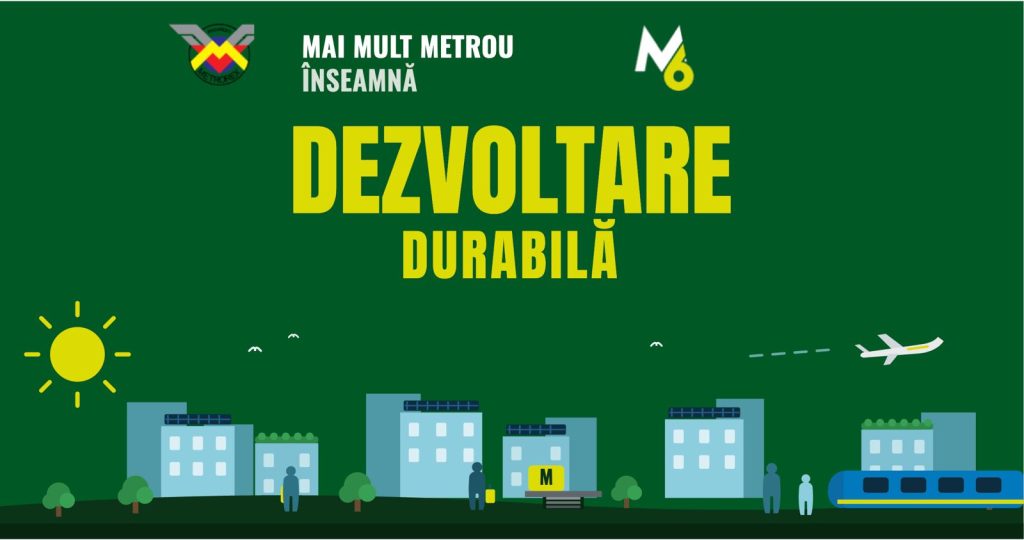
On 7 July 2026, the United Nations held the first annual meeting to review the progress made under the “UN Decade of Sustainable Transport 2026–2035” – the UN Decade of Sustainable Transport Annual Stocktake.
The event, held as part of the High-Level Political Forum on Sustainable Development, highlighted the role of sustainable transport in accelerating the implementation of the Sustainable Development Goals. The discussions covered passenger and freight transport and their connections with economic development, sustainable infrastructure, jobs, sustainable energy, inclusive cities, climate action and health (details here: Official programme of the HLPF 2026 events – UN).
The UN Decade of Sustainable Transport was established by the UN General Assembly through Resolution A/RES/78/148, for the ten-year period that began on 1 January 2026. The initiative seeks to accelerate the development of safe, accessible, efficient, resilient and sustainable transport systems (further details here: UN General Assembly Resolution A/RES/78/148).
Sustainable transport means more than cutting emissions
The UN implementation plan for 2026–2035 shows that sustainable transport is not limited to protecting the environment. It must give people safe and predictable access to jobs, education, healthcare, markets and other opportunities.
Among the priority directions are the expansion of high-quality public transport, reducing dependence on cars, improving urban connectivity and developing accessible, safe, reliable and frequent services. According to the UN, investment in public transport can help reduce emissions and pollution, and can also improve access to opportunities for residents and for the business community.
M6 Metro Line – a European capital’s answer to the need for sustainable mobility
For Bucharest and its metropolitan area, these international objectives come to a concrete shape through the development of M6 Metro Line. The new line will have 14.2 kilometres of double track and 12 stations, connecting the capital’s metro network with residential, retail and business areas in the north of Bucharest, with the town of Otopeni and with Henri Coandă International Airport.
By extending high-capacity public transport along the Bucharest – Otopeni corridor, M6 Metro Line will offer an alternative to road travel. Shifting part of these journeys from the car to the metro can help reduce the pressure on traffic, local pollution and transport-related emissions.
The impact will also be social. The stations of the new line will bring public transport closer to the communities in the north of the capital and in Otopeni, making it easier to reach jobs, services, education, retail areas and airport infrastructure.
A local contribution to the Sustainable Development Goals
M6 Metro Line is relevant to several of the goals of the 2030 Agenda:
- SDG 9 – Industry, innovation and infrastructure, through the development of modern public transport infrastructure;
- SDG 11 – Sustainable cities and communities, through wider access to a high-capacity public transport system;
- SDG 13 – Climate action, by creating the conditions for shifting journeys from individual road transport to public transport;
- SDG 8 – Decent work and economic growth, through better access to business areas, jobs and airport infrastructure.
The project’s contribution to these goals does not come from building new infrastructure alone. It will also depend on the quality of the future service, on the accessibility of the stations, on integration with other modes of transport and, above all, on the number of people who choose the metro for their journeys.
M6 Metro Line is therefore an investment in the way Bucharest and its metropolitan area will develop in the future: better connected, more predictable and more sustainable.
15 June marks International Wind Energy Day / Global Wind Day, a moment dedicated to energy produced with the help of wind and to the role it can play in the transition towards a more sustainable energy system.
















No Comments yet!